
Child Marriages In Bangladesh: Will There Ever Be An End?
Child marriages in Bangladesh are still a sad reality, despite several efforts from different organizations for decades. Will it ever end anyway?
Arts for Social Change? Creative Projects Empowering Women and Youth
By Federica Busiello
When looking for empowerment projects, in a development context, we may think of livelihoods projects, vocational training and income generation activities, or projects that aim to improve access to or quality of education; or at least I used to. I have more recently come across initiatives that use arts for social change: projects that use a creative process to inspire those who participate to empower themselves.
Climate Change is About Women
By Carey Averbook & Leny Olivera
Climate change is about much more than climate change. Its impacts and driving factors intersect with a whole range of social, economic, political and cultural issues. Women, especially in the global South, are often particularly exposed to poverty, discrimination, lack of access to resources, exclusion from power and exposure to many forms of violence. When climate change impacts hit, the burdens women bear likewise increase disproportionately.
Smartphones empowering women worldwide, study finds
Access to mobile phones is associated with multiple indicators linked to global social development, such as good health, gender equality, and poverty reduction. The link between mobile phone access and female empowerment is stronger in less- and least-developed countries.

Gang Rape Cases in Afghanistan: Healing the Broken Bone
By Sayed Jalal
Of course there used to be occasional rape cases in Afghanistan, but the recent trends, in a very ugly and overt way, reveal the darker side of a traditional patriarchal society. These trends also tell us that social morality is in sharp decline. From juvenile rapes by Mullas (Religious scholar) in mosques (Masjid), to rape of daughters by fathers and animal rapes.
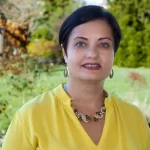
Global politics expert reflects on women leaders who have broken barriers
Jalalzai believes that women leaders often bring a distinct set of skills and experiences to the table, including a propensity for collaborative approaches and advocacy for marginalized groups.

Technology Camp For Young Girls In Rwanda
Created by Peace Corps Volunteers in 2013, TechKobwa brings together Rwandan ICT professionals and expert trainers from IBM and Michigan State University to conduct lessons in computer science, electronics, and other STEM-related topics.
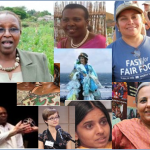
“The 10 Women Who Inspire Me Always”
In the hope to also inspire GSDM readers, I would like to highlight ten amazing women from all over the globe who have been ongoing sources of inspiration to myself, Nourishing the Planet, and others.

Six Things to Know About Basic Income and Gender Equity: Lessons From India
By Marion Sharples
While certainly not being a one-stop fix-all solution, the progress that was made under a small-scale, temporary pilot should energise feminist advocates of basic income and serve as an inspiration for future work. The positive impact of basic income on poverty levels, women's self-respect, increased social inclusion and reduced scope for exploitation is greatly inspiring.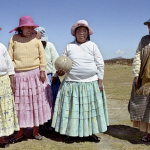
Climate Change and Gender Inequality in Bolivia
by Amy Cannoly
June 2012 saw the convergence of world leaders, powerful participants of world governments, agents of the private sector, and non-governmental organizations...